


Updated 8 October 2026.
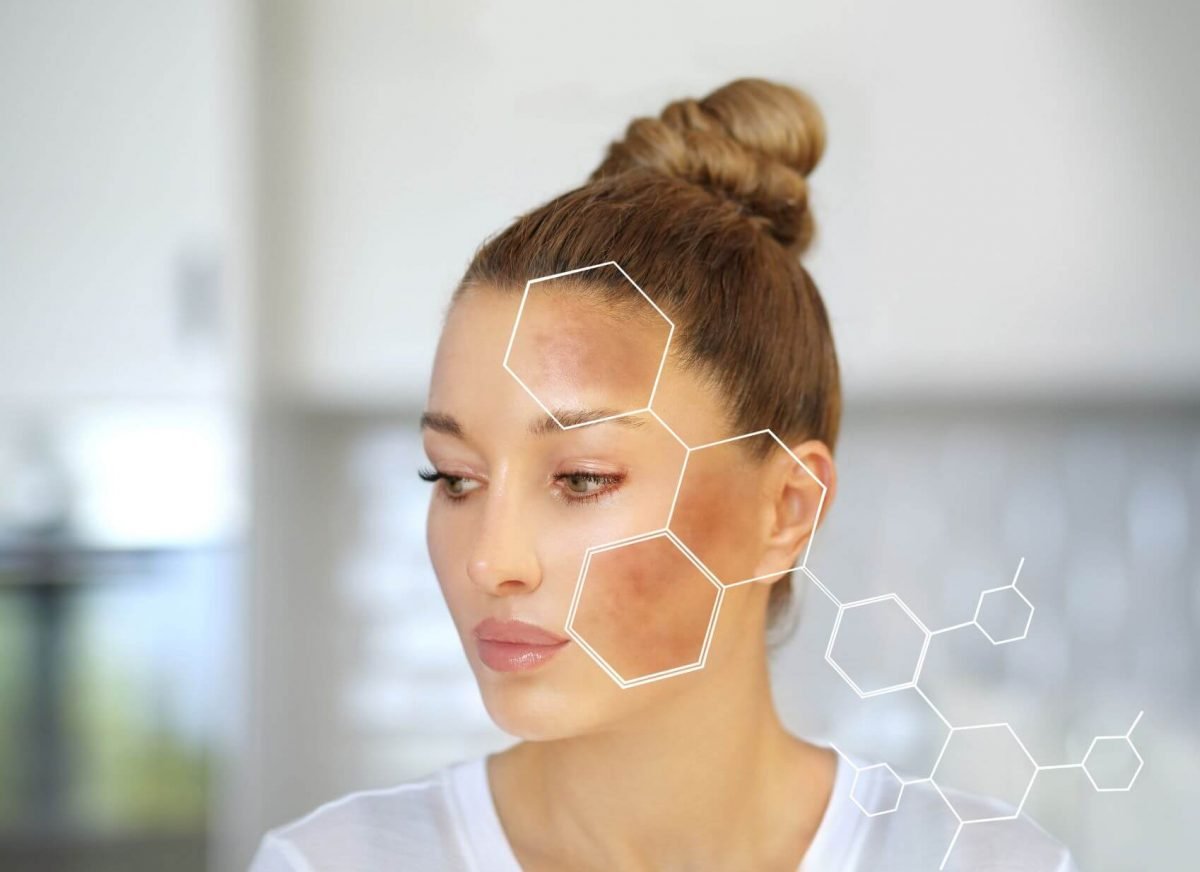
Hyperpigmentation means that an area of skin is darker than the surrounding skin because of increased pigment. It can follow inflammation, appear with melasma or have other causes. Finding the cause matters: a dark mark left after a spot needs a different assessment from a new, changing skin lesion.
There is no single cream or procedure that suits every type of pigmentation. This guide explains common differences, useful first steps and the questions to take to a pharmacist, GP or dermatologist.
What causes hyperpigmentation?
Marks after spots, irritation or injury
Post-inflammatory hyperpigmentation can remain after acne, eczema or an injury has settled. DermNet explains that it can affect anyone, but may be more pronounced and last longer in darker skin. The mark is a pigment change; it is not automatically an acne scar.
Continuing inflammation can mean new marks appear while older ones fade. This is why getting appropriate help for the underlying skin condition matters. Scrubbing harder is not a useful response to a pigment change.
Melasma
Melasma commonly produces flat brown or grey-brown patches on the face. Sunlight, pregnancy and other hormonal factors can play a part. The British Association of Dermatologists (BAD) explains that it can be persistent and recur. It does not mean someone has failed to wash or care for their skin properly.
Other dark spots
Sun-related pigment changes and some medicines can also be involved. Similar-looking marks do not necessarily share a cause, so an online photograph or a product quiz cannot confirm the diagnosis. Do not stop prescribed medicine because you suspect it is affecting your skin; discuss that possibility with the prescriber.

When should a dark mark be checked by a GP?
Do not try to fade a suspicious mark before it has been assessed. The NHS advises seeing a GP for a mole that changes in size, shape or colour, becomes painful or itchy, or is inflamed, bleeding or crusty. A new or unusual mark that has not gone away after a few weeks also needs advice.
These signs do not tell you the diagnosis, but they are a reason to arrange an assessment rather than treat the mark as an ordinary cosmetic concern.
Start with gentle care and sun protection
The American Academy of Dermatology’s dark-spot guidance recommends addressing the trigger and avoiding products that irritate skin. Keep cleansing and moisturising comfortable. If a cosmetic product burns or stings, stop using it and seek advice if irritation persists.
Sun protection helps prevent pigmentation from darkening. For melasma and some dark spots, a tinted sunscreen containing iron oxides can also help protect against visible light. It still needs appropriate UV protection; a tint alone is not a sunscreen rating.
Our face sunscreen guide explains SPF, UVA labels and reapplication. If dryness or irritation is making your routine uncomfortable, use the practical steps in our gentle winter skincare guide.
Which treatments may help?
Topical products
Depending on the diagnosis, a clinician may discuss ingredients such as azelaic acid, a retinoid or prescription treatment. The choice depends on the cause, skin sensitivity and personal circumstances. More active ingredients at once do not necessarily mean better results.
BAD notes that hydroquinone treatment should be medically supervised, and that hydroquinone and retinoid creams should be avoided during pregnancy. Ask about suitability if pregnant, trying to conceive or breastfeeding. Do not copy someone else’s prescription or buy an unlabelled “bleaching” cream online.
Chemical peels and laser treatment
Procedures are not automatically the quickest or safest answer. BAD warns that peels and lasers can worsen pigmentation, including through post-inflammatory changes, and can cause scarring. Ask a suitably qualified practitioner about experience treating your skin tone and the specific diagnosis before agreeing to a procedure.
Home remedies
Do not apply household bleach to skin or use lemon juice as a DIY peel. A kitchen ingredient has not become a suitable pigmentation treatment just because it is described as natural. Avoid picking, repeated scrubbing and experimenting with several new products while the skin is irritated.
How long does hyperpigmentation take to fade?
There is no reliable overnight fix. The AAD notes that some superficial marks may take six to twelve months to fade after the cause is controlled; deeper pigment can take longer. Melasma may improve and then return. These are general patterns, not a deadline for your skin.
If you want to track changes, take occasional photos in the same light without filters and record which products you started or stopped. Bring that record to an appointment rather than trying to judge progress from daily mirror checks.
Questions to take to an appointment
- What type of pigmentation is this, and does any mark need closer examination?
- Is there an underlying condition or irritation to treat first?
- Which option suits my skin tone and medical circumstances?
- What side effects should make me stop and contact you?
- When should we review progress, and what result is realistic?


